Case Study: Successful AI Strategy Implementation in a Slovak Company
Introduction to AI Strategy Implementation
Implementing an AI strategy can be a transformative move for any business, and it’s no different for companies in Slovakia. This case study explores how a Slovak company successfully integrated AI into its operations, leading to increased efficiency and growth.
The company, operating in the manufacturing sector, faced challenges in maintaining productivity while ensuring quality control. By embracing AI, they were able to overcome these hurdles and set a benchmark for others in the industry.
Identifying the Need for AI
The need for AI was identified when the company noticed a plateau in its operational efficiency. Traditional methods were no longer sufficient to meet the demands of a rapidly changing market. The management team realized that AI could offer the tools needed to streamline processes and improve decision-making.
Key areas where AI could make a difference included predictive maintenance, inventory management, and quality assurance. By focusing on these areas, the company aimed to reduce downtime, optimize stock levels, and enhance product quality.
Predictive Maintenance
One of the first applications of AI was in predictive maintenance. By using AI algorithms to analyze data from machinery, the company could predict when a machine was likely to fail. This approach helped in scheduling maintenance activities proactively, reducing unexpected breakdowns and associated costs.

Inventory Management
AI was also instrumental in revamping the company’s inventory management system. By implementing AI-driven analytics, the company could forecast demand more accurately, ensuring that they maintained optimal stock levels. This not only minimized storage costs but also improved cash flow.
The AI system analyzed historical sales data, market trends, and even external factors like weather patterns to predict demand. This comprehensive approach led to a significant reduction in overstock and stockouts.
Quality Assurance with AI
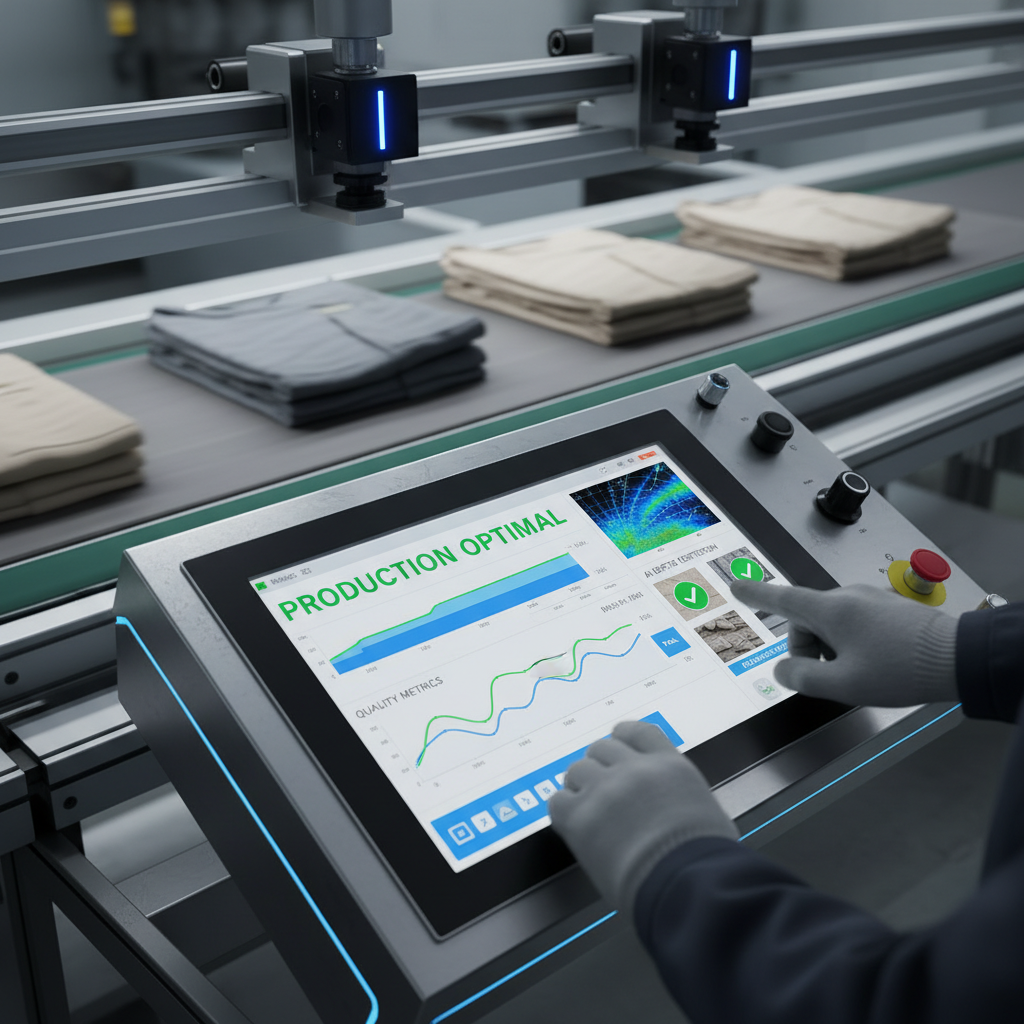
Quality assurance saw a marked improvement with the integration of AI. Automated inspection systems powered by AI were deployed to identify defects in real-time. This not only sped up the inspection process but also increased accuracy, ensuring that only the best products reached customers.

Moreover, AI-enabled quality control systems could learn from past errors and continuously improve their accuracy. This adaptability was crucial in maintaining high standards over time.
Results and Benefits
The AI strategy implementation yielded impressive results. Overall production efficiency increased by 20%, while maintenance costs were reduced by 15%. Inventory turnover improved, leading to a healthier cash flow.
Additionally, customer satisfaction rose due to the consistent quality of products. The company gained a competitive edge, positioning itself as a forward-thinking leader in the market.
Lessons Learned
Several lessons emerged from this successful AI strategy implementation. First, a clear understanding of the company’s needs and objectives was essential. Second, collaboration with AI experts ensured that the solutions were tailored to the company’s specific challenges.
- Identify clear objectives for AI integration.
- Collaborate with experts to tailor solutions.
- Continuously monitor and adapt AI systems.
Finally, continuous monitoring and adaptation of AI systems helped in maintaining their effectiveness and relevance in a dynamic business environment.
Conclusion
This case study highlights the transformative power of AI when implemented strategically. The Slovak company’s journey serves as an inspiring example for businesses looking to harness AI for growth and efficiency. As technology continues to evolve, embracing AI will likely become a necessity for sustained success in the competitive global market.